
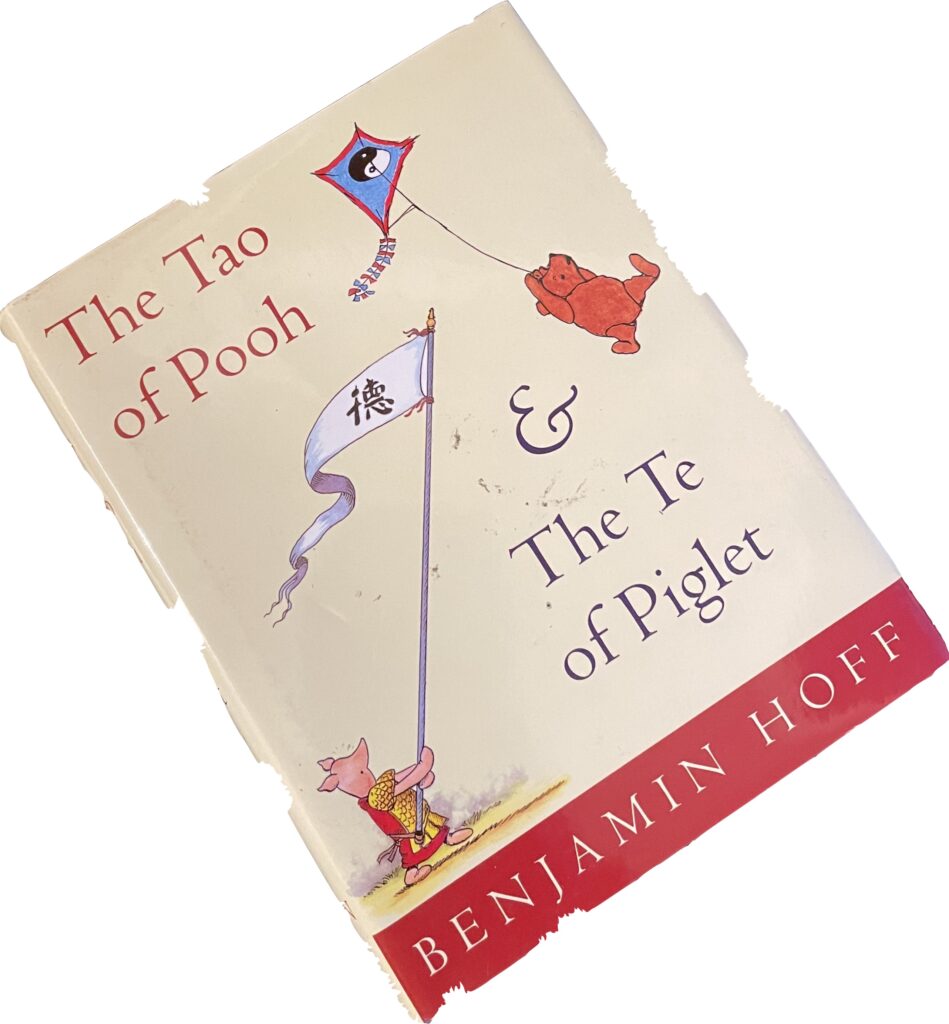
It’s Winnie The Pooh day! This favourite childhood character has lots to teach us: we can learn about friendship, adventure and adversity, perseverance, mental health and wellbeing, diversity and inclusivity; there are even personality tests based on the main characters; indeed, scholars have turned to Pooh bear to help us understand diverse topics such as philosophy:
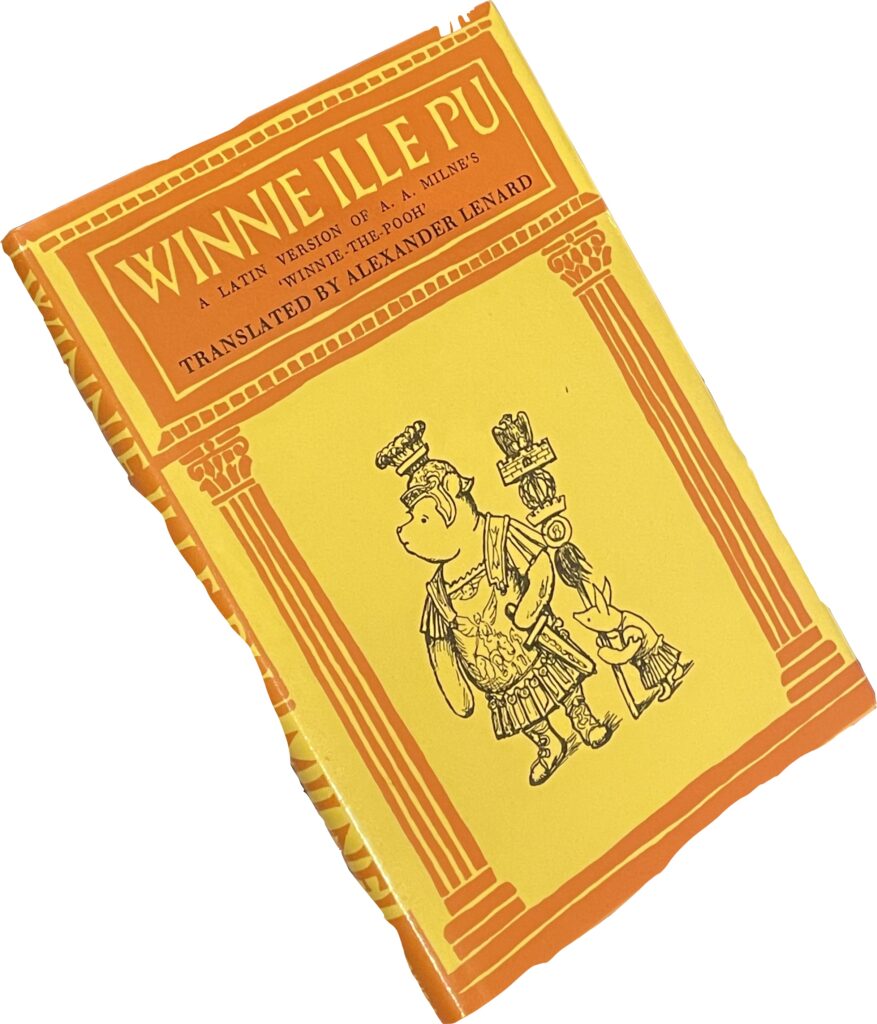
and I’ve even got a copy of the text in Latin!
There is also science to be found hiding in the work of A.A. Milne! We can learn about the properties of materials and the relative density of gases when Pooh uses a balloon to float up into the tree to reach the honey in the bees’ nest. When Eeyore finds himself floating downstream in the river, we find out about water and currents, and the best materials to use to make a boat.
When I think of Winnie the pooh, I think of honey. Now, there’s lots of science we can do with honey!
- You could do some secondary research and find out:
- what it is and how it is made
- what the bees use it for
- the natural protective qualities of bee propolis
- you could do a taste test (did you know honey is actually sweeter than the granulated sugar we put in our tea?)
- more about the bees https://www.woodlandtrust.org.uk/blog/2019/05/types-of-bee-in-the-uk/
- try having a look at https://www.natgeokids.com/uk/discover/animals/insects/honey-bees/
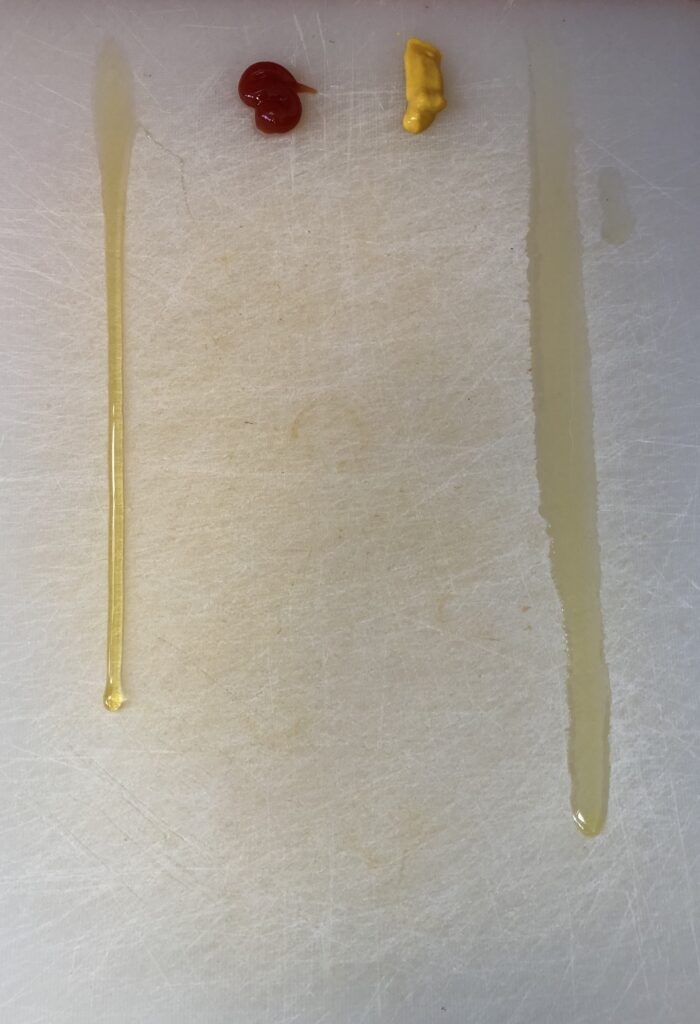
- Explore the viscosity of different liquids – including runny honey – by timing how quickly they run down a slope:
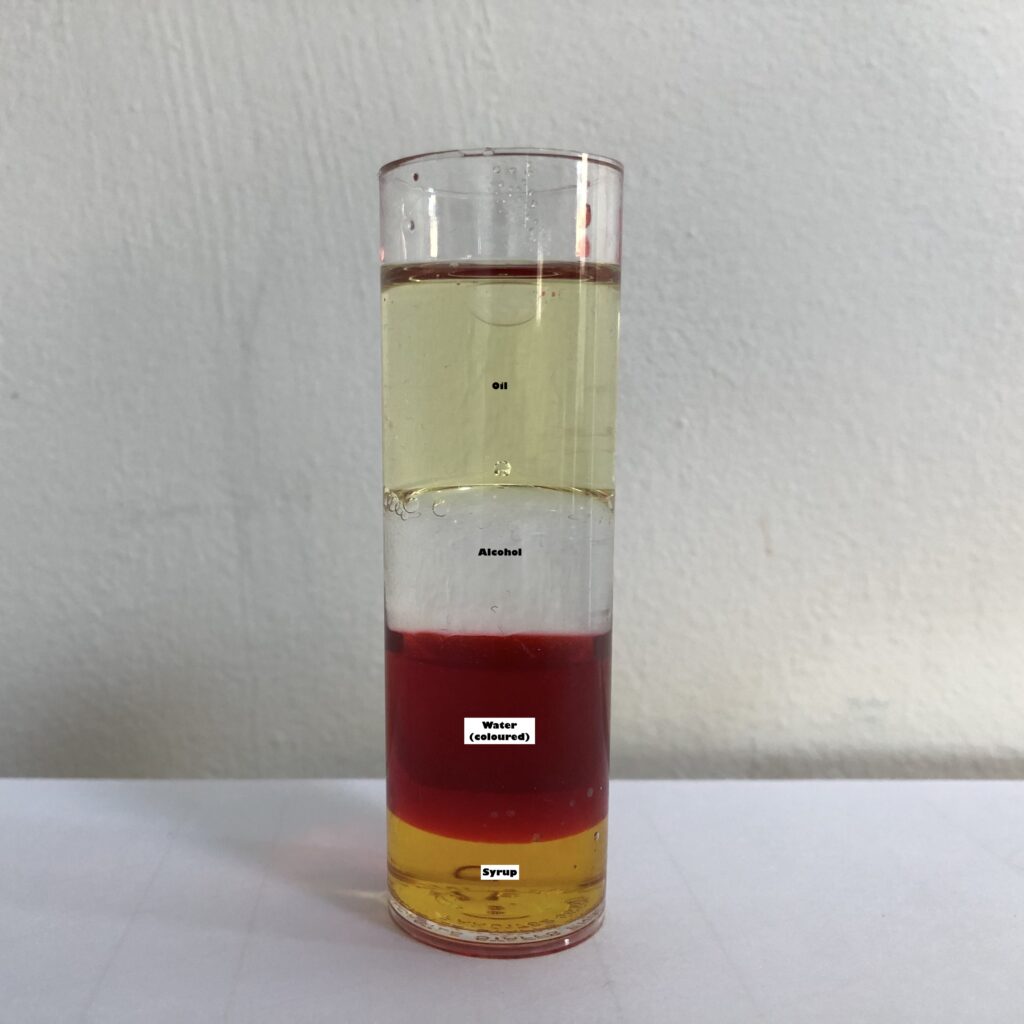
- Investigate the relative density of different liquids by layering them on top of each other. Where do you think honey would be?
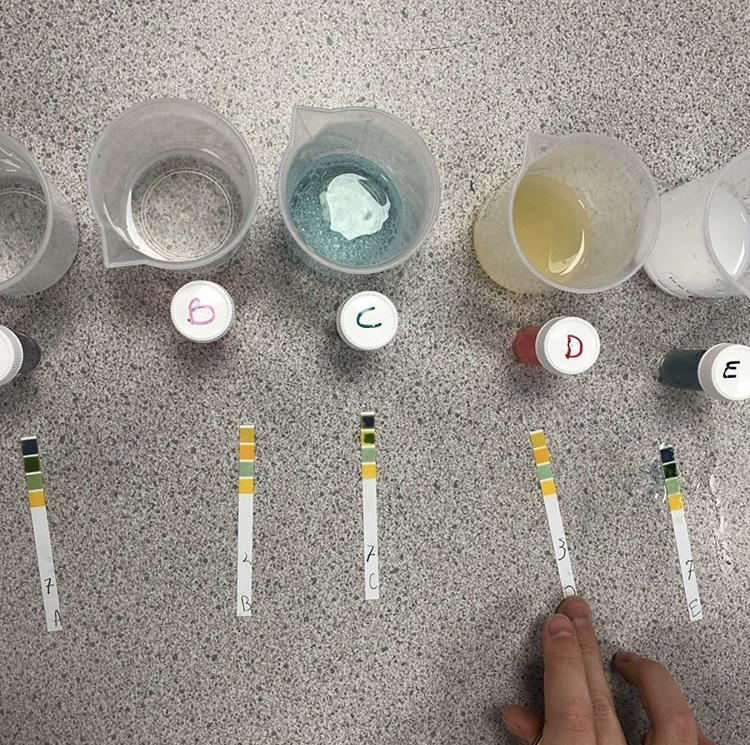
- You could test either honey was acidic or alkaline using a natural plant indicator made form red cabbage, berries or petals
- We can even use Winnie The Pooh to help us understand complex scientific information. I had an undergraduate lecturer at The University of Manchester in 1994 who used the story of Pooh going to visit his friend Rabbit for Elevenses to teach us about the biochemistry of metabolism! Rabbit asks Pooh if he would like honey or evaporated milk on his bread and Pooh is quick to ask for both. He then feels a little guilty, so adds “but don’t worry about the bread”, so as not to appear greedy! Pooh enjoys himself so much that by the end of the visit he is too large to squeeze back out through the hole in Rabbit’s burrow and has to remain there until he can fit! Thus we learned about ketogenesis and gluconeogenesis, acetyl CoA and ketone body formation, the citric acid cycle and oxidative phosphorylation! Thanks to Winnie The Pooh, that knowledge has remained with me for nearly 30 years!
What can you find out about honey this #WinnieThePoohDay ?