
Calling all curious young (or old!) scientists! Today, we’re going to embark on an exciting adventure into the tiny world of microorganisms as we celebrate International Microorganism Day. 🌍🔬
On this day (17th September) in 1683, Antonie van Leeuwenhoek (inventor of the microscope) wrote to the Royal Society about his teeth being the home to “many very little animalcules”. The understanding of these ‘animalcules’ and their importance to every aspect of our lives has come a long way since then (plus, I love the description as animalcules!!)
What Are Microorganisms?
Microorganisms, or microbes for short, are teeny-tiny living things that are so small we can’t see them with just our eyes. They’re like nature’s hidden superheroes, and they play a crucial role in keeping our world healthy and balanced.
Microbes Are Everywhere!
Guess what? Microbes are all around us! They live in the soil, water, air, and even inside our bodies. Some of these amazing tiny beings are bacteria, viruses, fungi, and tiny living things called protozoa.
Microbes and Us
Microbes might be small, but they have a big impact on our lives. They help make delicious yogurt and cheese. They also help break down dead plants and animals, which is really important for the environment.
Inside our bodies, there are trillions of friendly microbes that help us stay healthy. They help us digest our food, keep harmful germs away, and even boost our immune system – to help fight off invasion from less welcome microorganisms which might make us unwell.
Microbes and Nature
Microbes are like the unsung heroes of nature. They help plants grow, make the soil healthy, and clean up our rivers and oceans.
Microbes as Scientists
Microbes are like little scientists themselves. They can do amazing things like turning sunlight into energy and making oxygen for us to breathe. Some microbes can even survive in extreme places like deep in the ocean, next to thermal vents or high up in the mountains!
Fun Microbe Facts
- Microbes have been around for billions of years, way before the dinosaurs!
- There are more microbes on Earth than there are stars in the sky!
- Microbes can be shaped like spirals, rods, and even like strings of beads.
How to Celebrate Microorganism Day
- Experiment: Try some fun science experiments that involve microbes. You can grow your own mould on a piece of bread (keep it in a sealed bag to keep those spores trapped inside) or make yogurt.
- Investigate: Can you see how important it is to wash your hands by seeing how far germs could spread? Place some glitter gel on your hands and then shake hands with other people, touch the table or door knob and check to see whether you’ve transferred any of these glitter gel pretend germs onto other surfaces!
- Make Microbe Art: Have a go at designing your own colourful imaginative microbes!
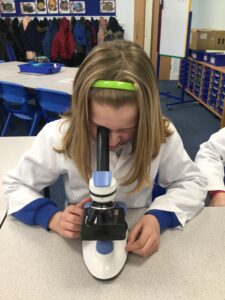
- Take a Closer Look: If you are lucky enough to have. microscope, you can get up close to bacteria but smearing a thin film of yoghurt drink into a glass slide to see those good bacteria!
- Learn More: Ask your parents or teachers to help you find books or videos about microbes. You can learn so much more about these tiny wonders! (Try Emily Grossman’s Meet The Microbes, Steve Mould’s The Bacteria Book or Isabel Thomas’ The Mysterious World of Microorganisms for starters, or E-Bug or the Microbiology Society’s educational resources: Marvellous Microbes)
- Share the Fun: Tell your friends and family about International Microorganism Day and the amazing world of microbes.
Remember, even though they are small, microorganisms are a big part of our world. They help keep our planet healthy, and they’re always working hard, even when we can’t see them. So, let’s celebrate International Microorganism Day and give a big shout-out to these incredible tiny beings! 🌟🔬🎉
There are also Dr Jo Science workshops on microorganisms and microscopes to get involved with!
Happy Microorganism Day. Have a blast exploring the micro-world around you! 🌍🔬😊 #IMD23 #InternationalMicroorganismDay